Worried about coronavirus?

Here's five quick fact about COVID-19

1. It's similar to  normal flu which makes it harder  to detect.

2.The key Symptoms are:
           a) Fever
           b) Dry Cough
           c) Difficulty Breathing .

3. It's now been found in 70+ countries world wide
   •There are around 100,000 diagnose.              cases.
   •It appears to kill around 1% of people.          infected.

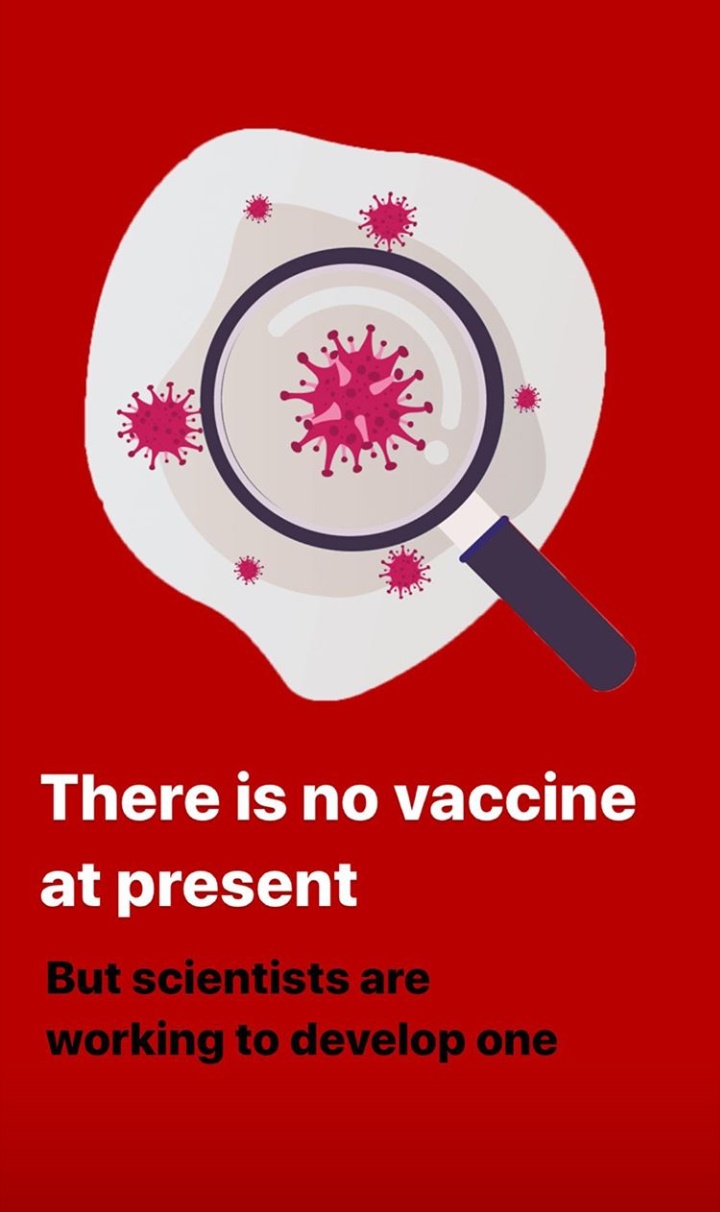
4.There is no vaccine at present .
    •But scientist are working to develop             one .
5.These simple steps are thebest way to protect your self.

Comments

Popular posts from this blog

New species of 'orange and black' bat discovered in West Africa

 A new species of orange and black bat from the Nimba Mountains in West Africa has been discovered by scientists from the American Museum of Natural History and Bat Conservation International. The species has been named Myotis nimbaensis in recognition of the Guinea mountain range it inhabits. "It has this bright-orange fur.it was so distinct," said scientist Winifred Frick. Continue...

Frontier of Dreams: Revolutionizing Healthcare: AI and the Future of Patient Care

Frontier of Dreams: Revolutionizing Healthcare: AI and the Future of Patient Care Chapter 1: The Pulse of Progress – Why AI Matters in Healthcare Introduction: A New Era Dawns Healthcare is standing at the threshold of a revolutionary transformation. Artificial intelligence (AI) is not merely a technological upgrade; it is a paradigm shift that redefines how we approach diagnosis, treatment, and patient engagement. This chapter lays the foundation for understanding AI's relevance, power, and promise in today’s healthcare landscape. Main Points 1. The Data-Driven Shift: The digital revolution has flooded healthcare with vast amounts of data. AI transforms this raw information into actionable intelligence, helping clinicians make faster and more accurate decisions. 2. Limitations of Traditional Models: Human limitations such as fatigue, oversight, and processing constraints hinder healthcare delivery. AI's computational power overcomes these boundaries, offering consistent pe...

Scientists digitally rebuild dinosaur's brain, learn about its diet

The University of Bristol's scientists have "rebuilt" the brain of a Thecodontosaurus, that roamed England some 205 million years ago, using advanced imaging and 3D modelling techniques. They said unlike its plant-eating relatives, Thecodontosaurus may have eaten meat and could have walked on two legs. Experts also reconstructed its inner ears and estimated that it had high hearing frequency. Continue...